




 |
Common wildlife habitat plants.
Whitetail Institute products page.
|
|
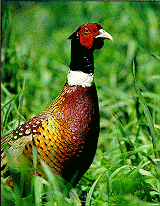
Establishing wildlife habitat and natural food plots to aid a diminishing wildlife population is becoming increasingly important. Each year, as mankind expands its cities, land-fills, transportation systems, cemeteries, and agricultural endeavors, thousands of acres of wildlife habitat are either being destroyed or altered to such an extent that they will no longer sustain a healthy wildlife population. Clearings or openings in wooded areas provide exceptional habitat, especially when the clearings are planted to annual and/or permanent (perennial) materials, which provide a source of food and cover as well as an environment conducive to nesting and brood rearing. The trees and shrubs will provide a mast crop (nuts and berries), which is extremely valuable to wildlife during the winter, as well as providing necessary year-round cover. The clearings should provide nesting habitat and additional sources of food. These clearings can also provide birds with a tremendous insect population. Research has demonstrated that the diet of most gamebirds consists primarily of insects and a variety of grass seeds. In fact, several research projects have demonstrated that poults (young turkeys) can and do survive for several weeks in the absence of standing water, evidently from the moisture provided by insects. Native grass and forb plantings can provide permanent wildlife habitat. Native grasses such as big bluestem, indiangrass, little bluestem, switchgrass, etc.; and forbs such as showy partridge pea, Illinois bundleflower, Maxmillian sunflower, etc.; can provide a large percentage of the seeds many species of wildlife depend upon for winter survival. The bunch or clumpy growth of the warm-season native grasses provides excellent nesting and brood cover for gamebirds and small mammals. While cover at ground level is sparse, overhead the cover provided is dense, protecting wildlife from avian predators (hawks, owls, etc.). These grasses provide a standing cover that is one to three feet high and capable of withstanding a heavy buildup of snow and ice, affording wildlife protection and warmth on the coldest of days. Planting field borders, windbreaks, and strips of nut-bearing and fruit-bearing trees and shrubs will greatly enhance wildlife habitat. Trees such as the oaks, dogwoods, spruce, black locust, etc.; and shrubs such as barberry, Russian olive, autumn olive, snowberry, etc.; provide excellent cover and a very important source of food in the winter months. Quail and other gamebirds need safe cover in close proximity to food sources, these plantings supply that cover. Tree and shrub plantings can effectively increase quail, wild turkey, pheasant, rabbit, and deer populations in a given area of land.
|

| Name | |
| Title | |
| Company | |
| Address | |
| Phone |